







Search Results for: coffee grounds recommendations

Why is it not recommended to have espresso beans ground by the roaster? The deep impact of carbon dioxide loss on espresso extraction and crema
Many coffee bean merchants offer grinding services, including Front Street Coffee, but for espresso extraction, Front Street Coffee does not recommend choosing pre-ground coffee. The reason is not just that the flavor is lost more quickly, but more critically, the carbon dioxide in the coffee beans dissipates in large amounts. Carbon dioxide plays an important role in espresso extraction by building crema and slowing down the flow rate. Once ground into powder, flavor and gases escape more rapidly, the crema becomes thinner day by day, the extraction speed increases, and it can even lead to under-extraction. At this point, the only remedies are adding more coffee or adjusting to a finer grind, but the portafilter basket has limited capacity, leaving very little room for adjustment. This article provides a detailed analysis of the specific effects of pre-ground coffee on espresso extraction, and recommends that those who have requirements for taste and crema prioritize whole beans. [more…]
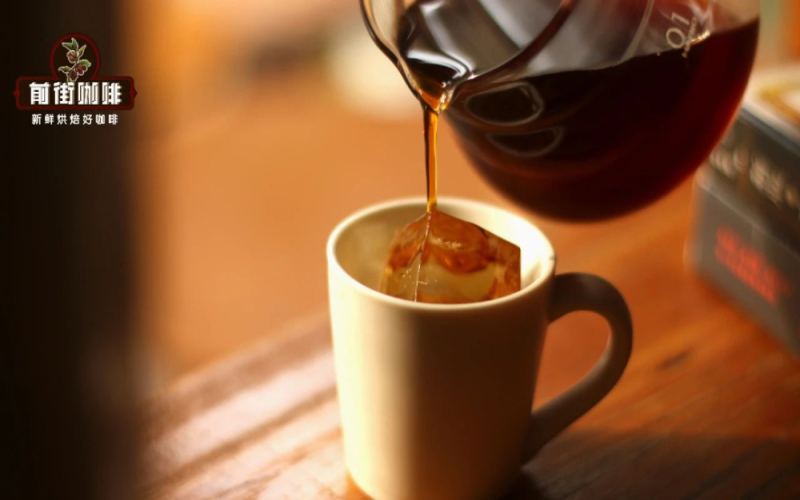
How to Make Cold Brew Coffee? Shelf Life and Flavor Characteristics, with Four Front Street Coffee Bean Recommendations
Cold Brew Coffee is made by steeping ground coffee in room-temperature water for about 12 hours, then filtering out the grounds to obtain the coffee liquid. Compared with conventional hot brewing methods, its coffee flavor is more concentrated, less bitter, and smoother on the palate. However, the longer cold brew sits, the more pronounced its fermented aroma becomes, so the taste you get each day will vary. Front Street recommends drinking it within 3 to 4 days. Although it sounds cumbersome, it is actually quite simple: steep the ground coffee in cold water, leave it in the fridge overnight, and filter out the grounds. In addition to explaining the key points of preparation, this article also recommends four Front Street Coffee beans suitable for cold brew, along with specific recipes and steps. [more…]
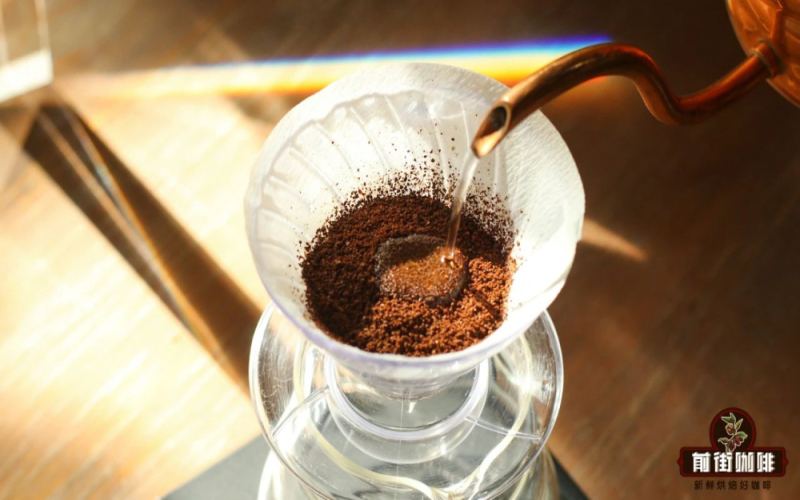
How to Choose Coffee Beans for a Home Hand Grinder? Five Coffee Beans Recommended for Home Brewing
Making hand-ground coffee at home allows for flexible and varied equipment—a pour-over kettle, French press, siphon, or even a moka pot will all work, and the end result is always a pure cup of black coffee. If the bitterness feels too strong, you can also add a moderate amount of sugar or milk to balance it out. Ultimately, whether a cup of hand-ground coffee tastes good depends mainly on the coffee beans themselves. So how should home users choose the right coffee beans? This article approaches the question from three dimensions—roasting brand, freshness, and personal taste—and compiles a recommended list of hand-ground coffee beans suitable for home use, including both beginner-friendly medium-roast beans and light-roast specialty beans with distinctive flavors, for coffee lovers' reference. [more…]
French Press Brewing Guide: Detailed Explanation of Coffee-to-Water Ratio, Grind Size, and Steeping Time, Plus Recommended Coffee Beans
The French press, with its full-immersion extraction and metal mesh filter, can produce coffee with richer oils and a fuller body. But to consistently brew a good cup, several variables—grind size, coffee-to-water ratio, water temperature, and steeping time—need to be taken seriously. This article breaks down the key points of French press brewing from a practical standpoint, explaining why a coarse grind is more reliable, how to start with a 1:15 coffee-to-water ratio, how to set the water temperature, and the specific steps for a 4-minute steeping rhythm. It also addresses the extraction characteristics of the French press by outlining suitable roast profiles and providing specific bean recommendations such as Front Street Coffee Strawberry Candy, Mozart, Sidra, Queen's Estate, Golden Mandheling, and Huilan, helping coffee lovers find the flavors they enjoy more quickly. [more…]
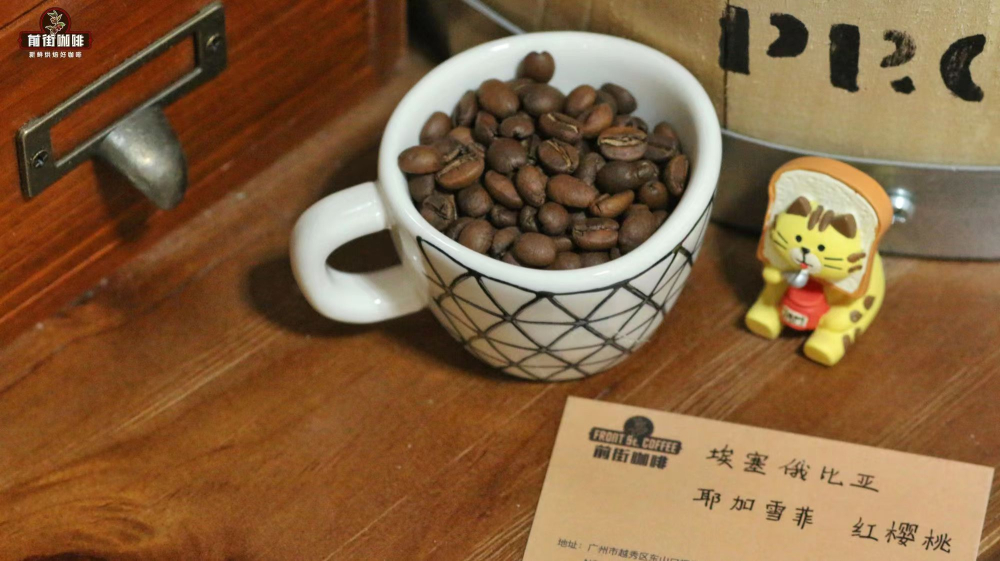
Cold Brew Coffee Recipe and Coffee Bean Recommendations | How Beginners Can Make Cold Brew at Home: Grind Size, Water Temperature, Time, and Ratio for Cold Brew
What is cold brew coffee? Cold brew coffee is Cold Brew Coffee, also known as cold-brewed coffee, ice-brewed coffee, or cold-brewed coffee. Put the ground coffee powder into room-temperature water, soak and extract for 12 hours, then filter out the coffee grounds, and the coffee liquid obtained is cold brew coffee. Cold brew coffee [more…]
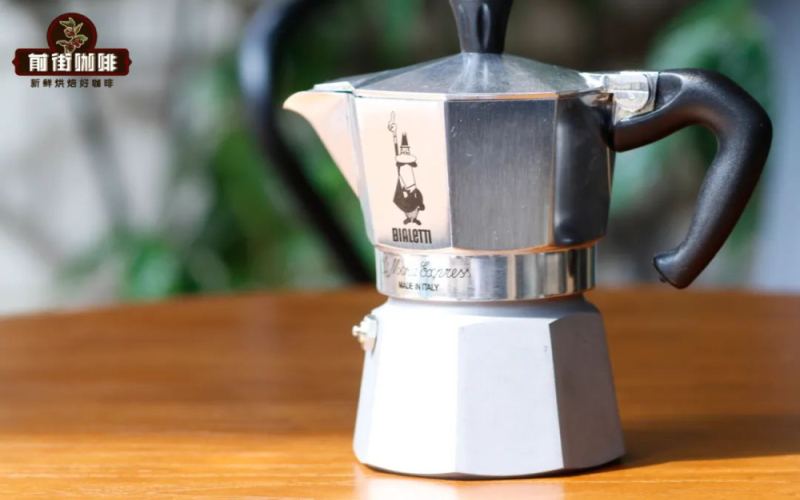
A Detailed Explanation of Moka Pot Extraction Principles and Key Operating Points, with Front Street Coffee Bean Selection Recommendations
Since its invention by Bialetti in 1933, the moka pot has become an essential coffee device in Italian households, thanks to its 1-2 bar extraction pressure and convenient operation. This article will systematically explain how to use a moka pot to brew a rich, full-bodied espresso, covering its structure and principles, usage precautions, coffee bean selection, and specific brewing steps. It also combines Front Street Coffee's blend and single-origin bean recommendations to help enthusiasts avoid common mistakes and master the entire process, from distributing the grounds to cooling, making moka pot results more consistent and better tasting. [more…]
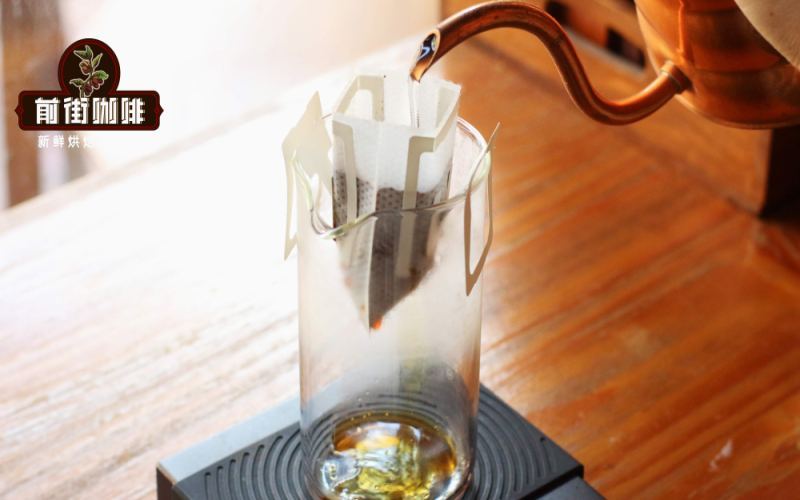
An Analysis of the Flavor Differences Between Drip Bag Coffee and Freshly Ground Pour-Over, with Recommendations for Three Specialty Drip Bags from Front Street Coffee and Brewing Steps
What exactly is the difference between drip bag coffee and freshly ground pour-over coffee? The core difference lies in the timing of grinding—drip bags use pre-ground coffee, while freshly ground coffee is ground only right before brewing. Once coffee beans are ground, carbon dioxide is released more rapidly, and flavor and aroma dissipate faster, so the optimal enjoyment period for drip bag coffee is usually 20-25 days, whereas sealed whole coffee beans can last 30-45 days. In addition, drip bag coffee and instant coffee are often compared, and the two differ significantly in solubility, taste, and composition. All Front Street Coffee products are freshly roasted; drip bags are ground and packed immediately after the beans cool, with each bag containing 10g. This article will analyze these differences in detail, include the complete brewing steps for drip bag coffee, and finally recommend three classic-flavor Front Street drip bag coffees for coffee lovers' reference. [more…]
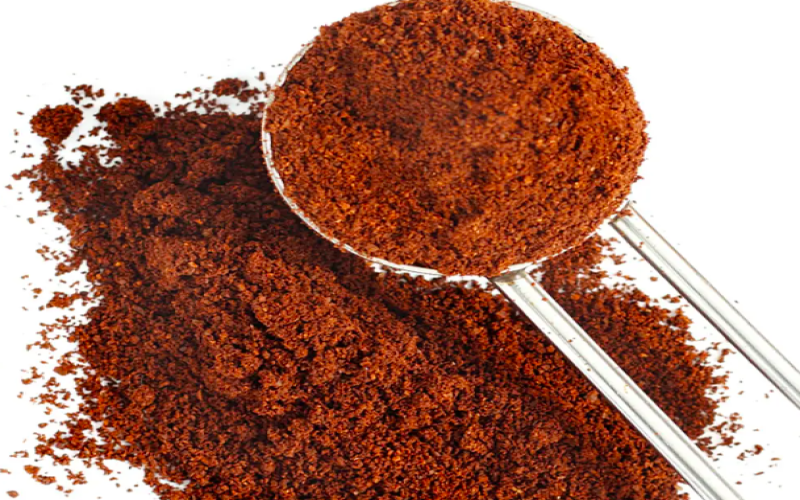
Why Isn't It Recommended to Have Espresso Beans Pre-Ground? An In-Depth Look at Coffee Grounds Shelf Life and Grind Precision
Many merchants who sell coffee beans offer a grinding service, but if you plan to use that ground coffee to extract espresso, Front Street suggests you think twice. This article explains in detail, from three angles—the speed of flavor loss, the impact of carbon dioxide loss on crema, and the demanding precision requirements of espresso grinding—why espresso beans are not suitable for grinding into powder in advance, while also telling you just how short the shelf life of ground coffee really is. If you care about crema and flavor in coffee, this key information is not to be missed. [more…]
A Beginner's Guide to Pour-Over Drip Coffee: Equipment Selection, Brewing Steps, and Key Parameters Such as Water Temperature and Grind Ratio
Pour-over drip coffee may seem simple—just a dripper, a hand gooseneck kettle, filter paper, and a cup are all you need—but once you actually start brewing, you realize there are countless variables at play. This article begins with the basic equipment, then gradually introduces the standard brewing process, the interrupt-pour technique, advanced setups, and the five major variables, along with specific water temperature and grind size recommendations for light, medium, and dark roasts. Whether you're a beginner just getting into pour-over or an enthusiast looking to refine your technique, you'll find practical parameter references here. The article also covers methods for adjusting variables to suit your taste, key points for cleaning and maintenance, and practical approaches for making flavored coffee bases and super-concentrated iced coffee, and recommends related products from Front Street Coffee. [more…]
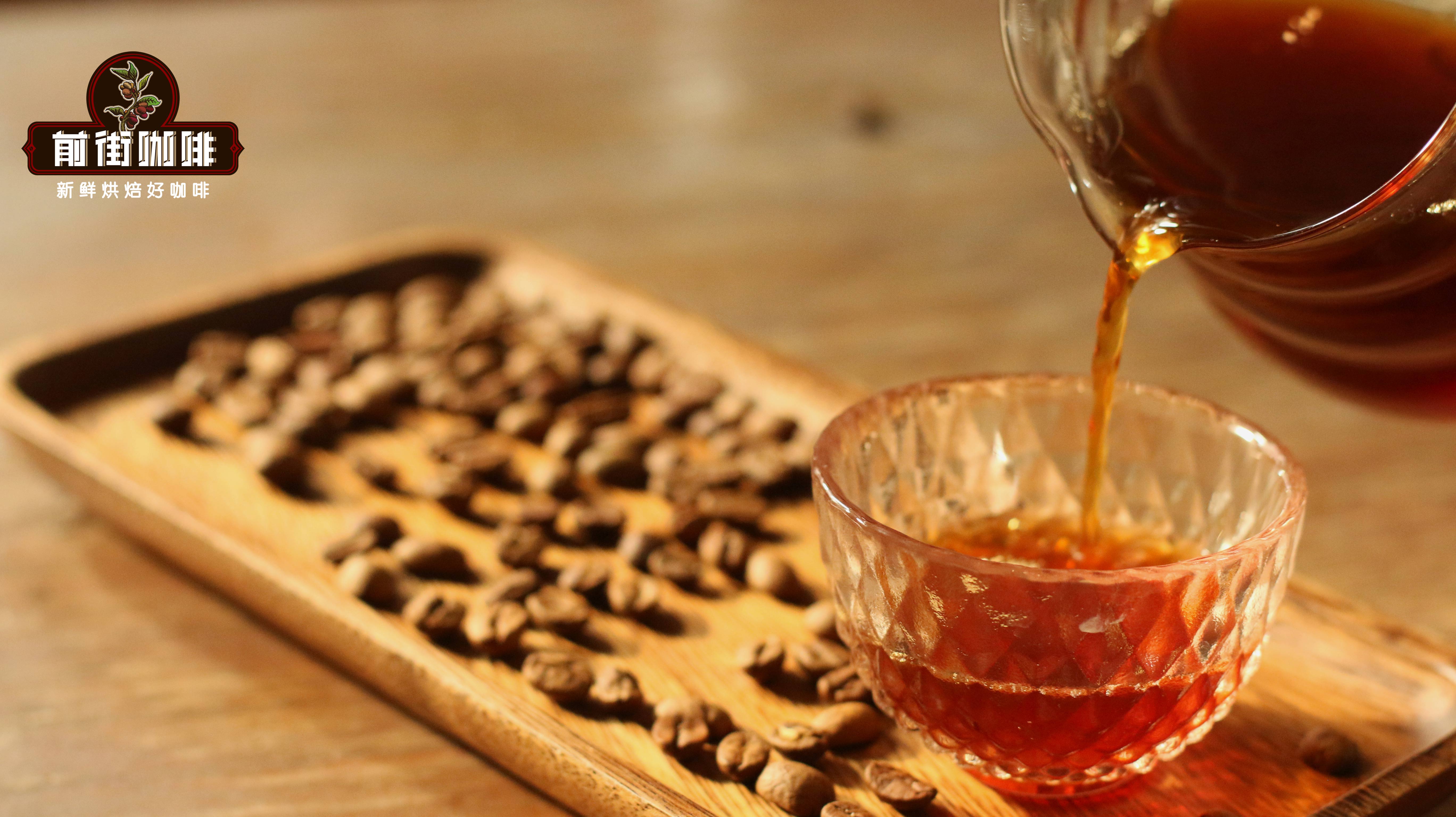
Portable Coffee Recommendations | What Is Drip Bag Coffee? What Are the Wrong Ways to Brew Specialty Drip Bag Black Coffee? What Is the Right Coffee-to-Water Ratio for Drip Bag Coffee?
For more specialty coffee knowledge, please follow our WeChat public account: Front Street Coffee (FrontStreet Coffee). In recent years, coffee culture has continued to deepen, and many coffee lovers need a cup of coffee every day to have the energy to "grind away." However, not everyone can always go to a coffee shop to savor it properly. [more…]
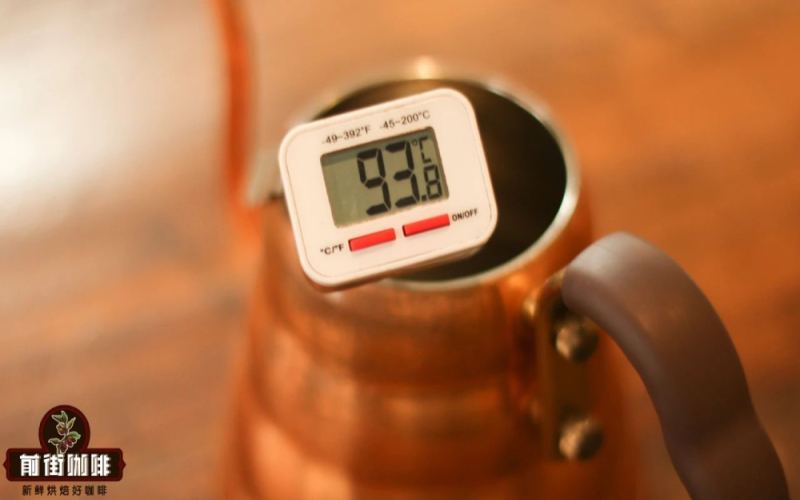
A Complete Guide to Coffee Grind Size: Grind Standards for Pour-Over, Espresso, and Moka Pot with Front Street Brewing Tips
Grind size is one of the core variables that determines the direction of coffee flavor. If the grounds are too coarse, flavor compounds are under-extracted and the coffee tastes thin as water; if the grounds are too fine, bitterness and off-flavors are over-released, throwing the cup out of balance. It is often said in coffee circles that "the grinder is more worth investing in than the coffee machine," which shows just how critical grinding is. This article systematically covers the medium-fine and medium-coarse grind standards for pour-over coffee, the practical method of sifting grounds with a 0.85mm sieve, the ultra-fine grind required for espresso under 9 bar of pressure, and the grind range for the moka pot that falls between the two. It also draws on Front Street Coffee's brewing experience to offer water temperature recommendations for different roast levels and espresso blend bean recommendations. [more…]
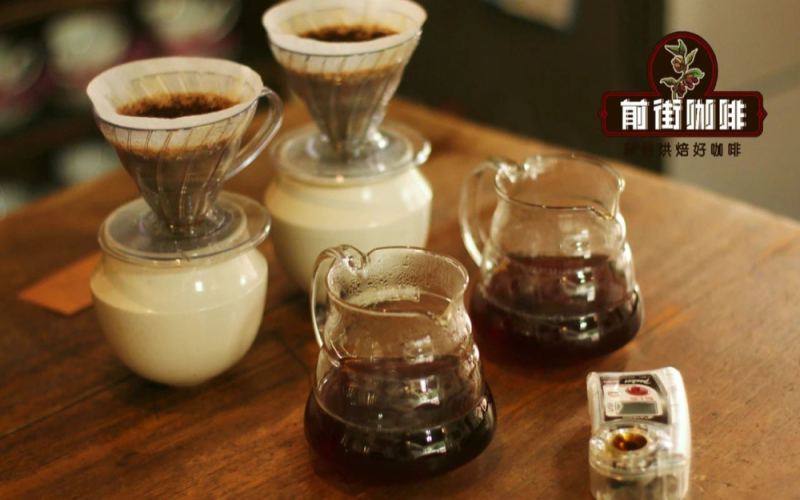
Pour-over Coffee Basics | What Is the Standard Coffee Ground Size for Pour-over? How Do You Determine the Grind Size for Single-Origin Pour-over Beans?
Beginners in pour-over coffee often come to FrontStreet Coffee and ask how to determine the grind size for each coffee bean, what effect grind size has on coffee extraction, how to tell the coarseness of coffee grounds at home, and so on. In this article, Front Street will talk about [more…]
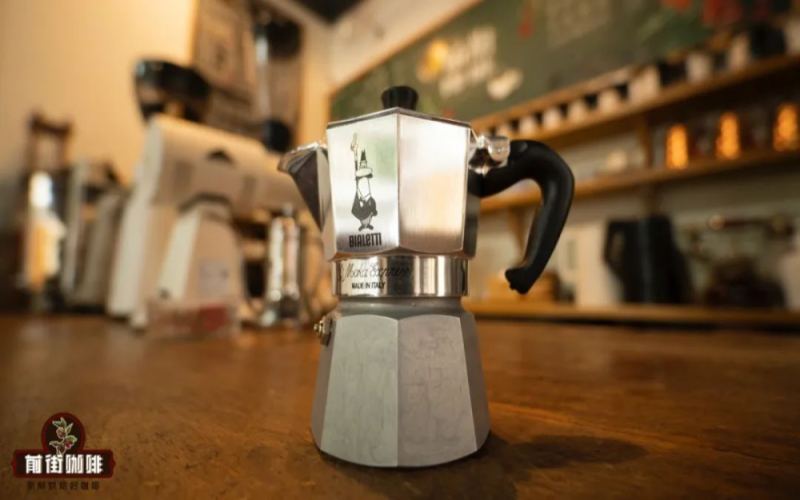
Home Coffee Brewing Equipment Recommendations | How to Brew Delicious Black Coffee from Freshly Ground Coffee Powder? What Coffee Beans Can a Moka Pot Brew? Illustrated Detailed Explanation of Moka Pot Usage Tips
As coffee becomes increasingly popular, the moka pot, as an affordable coffee brewing device, has gained widespread popularity. More and more people keep a moka pot at the office or at home so they can enjoy delicious coffee at any time. But many friends are not familiar with how to use a moka pot, so after buying one they find themselves at a loss. [more…]
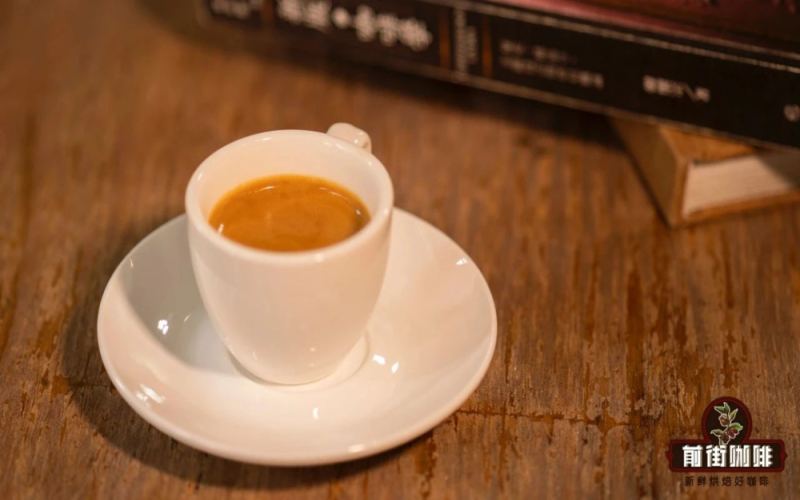
An In-Depth Analysis of the Core Differences Between Freshly Ground and Freshly Roasted Coffee, Plus Where to Buy Fresh Coffee Beans and a Recommendation for the Front Street Coffee Roasting Brand
In the pursuit of coffee freshness, freshly ground and freshly roasted are often lumped together, yet the meanings and values they represent are entirely different. The core of freshly ground lies in releasing the fullest aroma of the coffee beans, but once ground into powder, the aromatic substances dissipate rapidly, so it must be consumed as soon as possible, and all of this presupposes that the coffee beans themselves are fresh enough, with a roasting date generally recommended to be within 50 days. Freshly roasted, on the other hand, is about guaranteeing the freshness of the coffee beans from the source, because roasted beans continue to release gas, and once stored for more than a month, the aroma noticeably fades and the flavor suffers greatly. This article will deeply analyze the essential differences between the two, and recommend the Front Street Coffee brand, which specializes in self-roasting, introducing its rich product line and its promise of fresh roasting within 5 days, to help coffee lovers find a reliable purchasing channel. [more…]
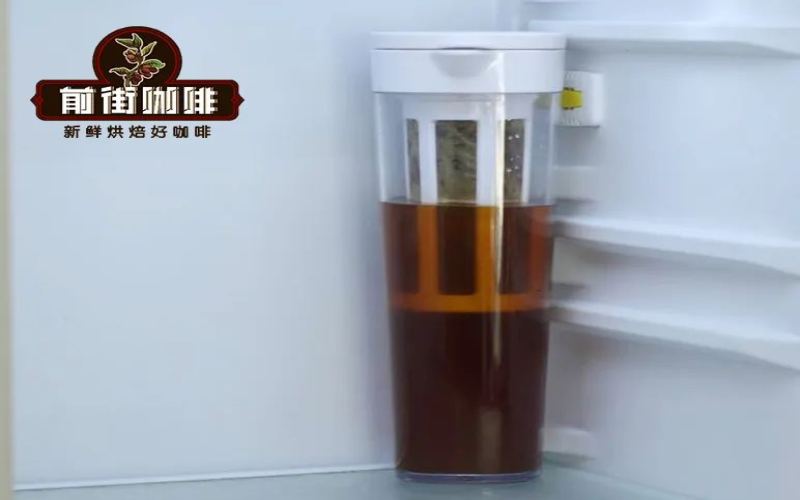
Iced Coffee Recommendations | How Can Coffee Newbies Make Better Iced Pour-Over, Cold Brew, and Ice Drip Coffee? How Long Can Cold Brew and Ice Drip Coffee Be Stored?
After entering the summer solstice, the hottest topic in the enthusiast chat groups is none other than #HowToMakeIcedCoffeeThatTastesGood, with everyone sharing their tips for making iced coffee with each other every day. In this article, Front Street has combined some enthusiasts' views and put together some tips for making iced pour-over coffee, iced drip coffee, and cold brew coffee taste even better! [more…]
Siphon Coffee Grounds Grind Size and Dosage Explained: Reference Grind Standards for Cold Drip, French Press, and Cold Brew
In coffee brewing, grind size is the key variable that determines the direction of flavor. The same coffee beans, when used in a siphon, cold drip, French press, or cold brew, require different particle coarseness and coffee doses because of their different extraction principles. This article systematically sorts out the coarseness standards and dosage recommendations for siphon coffee grounds, and compares the reference grind size ranges for cold drip, French press, and cold brew, helping you find the flavor balance point among different devices. The article also includes practical recommendations from Front Street Coffee; whether you are a beginner or an advanced enthusiast, you can find reliable parameter references here. [more…]
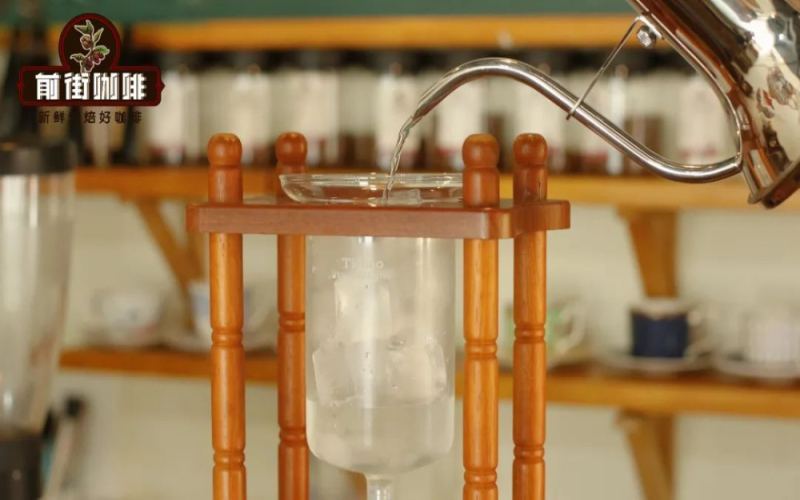
Ice Drip Coffee Maker Brand Recommendations and Usage Tips, Ice Drip Coffee Bean Selection and Price Analysis
Cold brew coffee, as a low-temperature extraction coffee drink, is favored by many coffee lovers for its refreshing taste and rich flavor. But what details need attention when making a good cup of cold brew coffee? From bean selection, grind size, coffee-to-water ratio, to drip rate and storage method, every step affects the final flavor. This article will analyze the key points of making cold brew coffee in detail, recommend several Front Street Coffee beans suitable for cold brew, and answer common questions about cold brew coffee maker brands and prices. [more…]
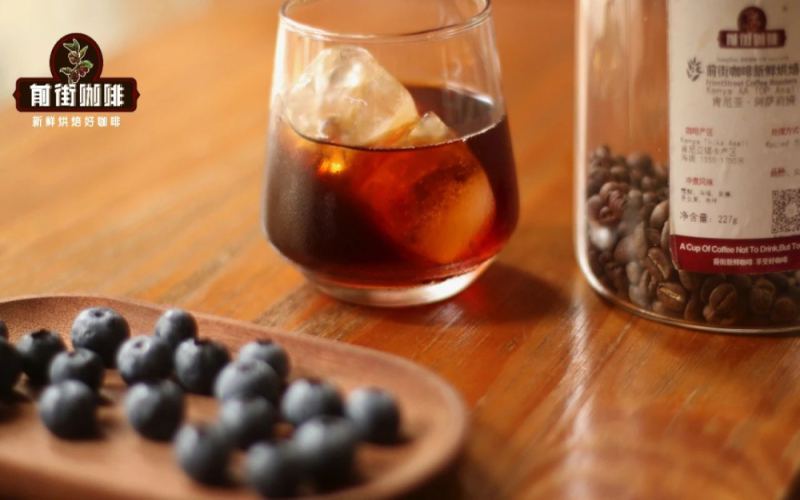
The Complete Guide to Cold Brew Coffee: Brewing Methods, Ratios, Times, and Bean Recommendations
Cold brew coffee is simple to make—just mix water and ground coffee, refrigerate, and let time complete the extraction. This article details Front Street Coffee's cold brew method, including using 50 grams of ground coffee as the base, a grind size with 85% passing through a No. 20 sieve, a coffee-to-water ratio of 1:12, adding 400 milliliters of room-temperature water and 200 grams of hard ice cubes, refrigerating for 12-24 hours, then filtering and refrigerating for another 4 hours. It also explains that cold brew should use coffee beans past their resting period, and recommends three types of beans with different flavor profiles—fresh floral-fruity, citrus-berry, and delicate honeyed—covering specific products such as Geisha, Huakui, Huayueye, Rose Valley, and Mozart. [more…]
Pour-Over vs. Espresso | What's the Difference Between Hand-Ground Coffee and Machine Coffee? What Types of Hand-Ground Coffee Beans Are There? Recommendations for High-Value Light, Medium, and Dark Roast Pour-Over Beans
What is the difference between hand-ground coffee and machine coffee? We'll take the most common espresso machine as the representative of machine coffee, while hand-ground coffee is most commonly used to make pour-over coffee. Today, Front Street will compare the differences between the two and also recommend the types of coffee beans suitable for hand grinding. Machine [more…]
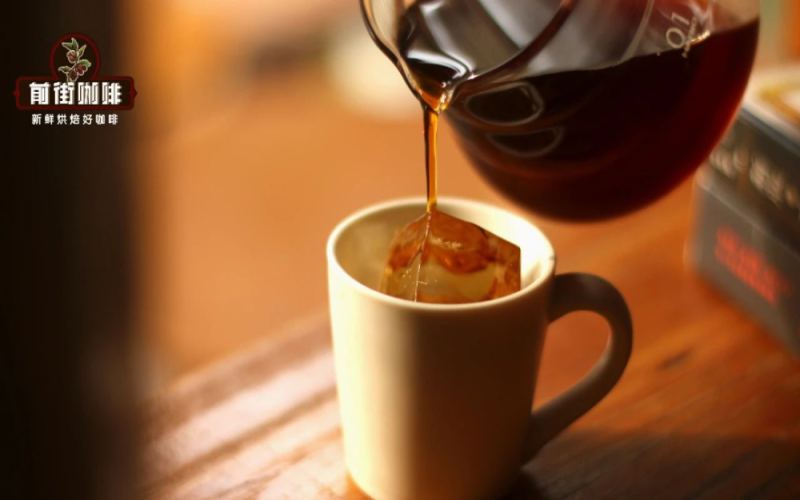
Cold Brew Coffee | How long can homemade cold brew coffee be stored? What is the flavor and mouthfeel of cold brew? Single-origin coffee bean recommendations for a cold brew with pronounced fruity sweetness
Cold Brew Coffee is exactly what it sounds like. Put ground coffee into room-temperature water, let it steep and extract for 12 hours, then filter out the grounds—what's left is cold brew coffee. Compared with regular hot-brewed coffee, it has a noticeably stronger coffee taste, less bitterness, and a smoother mouthfeel. [more…]